Getting a website built and maintained has for the longest period been a challenge. Turning an idea into something people could actually use took time, specialist skills and investment.
At the frontier, AI is shortening that journey. Describe a page, generate a starting point, make changes through a conversation and connect the result to your CMS. More of the work can happen in one sitting. You may not need to be an expert any more to make changes that previously absolutely required it.
That’s exciting. It gives small teams more room to experiment with new ideas, learn and improve.
It also raises a question, as this becomes more normalised: if everyone has access to similar tools, what makes your website feel like yours?
Good enough starts to look sickeningly familiar
An AI generated page can look supremely polished and yet say very little about the business behind it!
At the moment, that’s usually because of familiar tell-tales. Repeated use of fonts. Common colour choices. The same reassuring language you’ve read on five other websites that morning.
None of those choices is necessarily wrong. But as AI instinctively trends to the average, your brand becomes harder to recognise.
Publishing more quickly only helps if what you publish gives people a reason to care.
Taste needs to be part of the process
A useful design system goes beyond colours, fonts and component rules. It helps a team make consistent decisions about what belongs - and repeatedly deliver what can uniquely appeal to your customers.
Which sorts of images would we use? How do we explain something complicated? What deserves space? What feels out of character, even if it looks impressive?
AI can produce options. Someone still needs to choose, edit and sometimes even - start over.
That human judgement remains in the workflow. More often than not, the first plausible version can too easily become the finished version.
Give people something specific to your business or event
Your own people, knowledge and point of view are useful, creditable starting points.
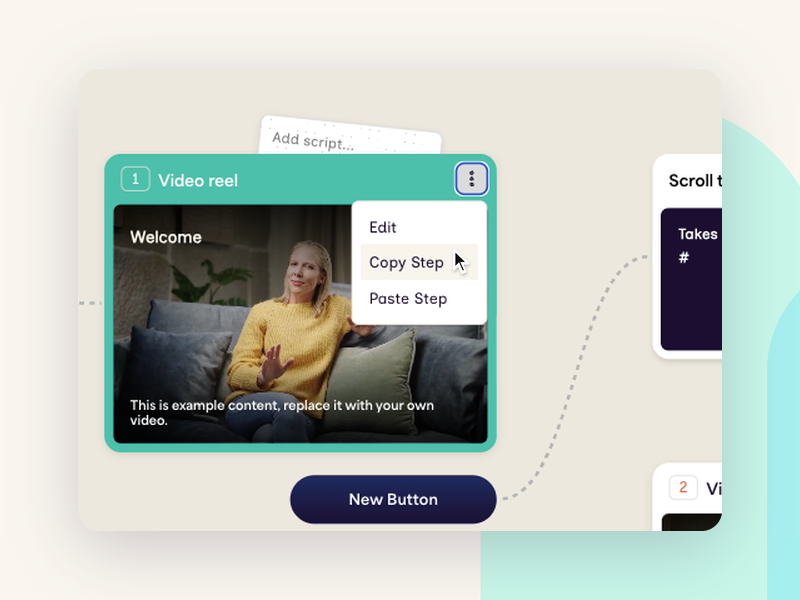
A short video from someone who understands the problem can explain what a generic headline leaves vague. A tailored interactive journey can help a visitor find the answer relevant to them, without making them work through reams of text.
A mix of these elements and approaches earn their place when they help the visitor. A human face alone won’t fix an unclear message. An interaction needs to make the next step easier.
The value comes from putting something distinctive and useful into the experience.
Spend some of the time you save
Unlocking faster production will give everyone choice to decide where to put future efforts.
We can use all the time saved to publish more. Or we can put some of it into better ideas, stronger media and a more considered experience.
I think that’s where the coming opportunity lies. By benefiting from using these tools to move quickly, and also keep making deliberate, considered, careful, joyful choices about what people see, hear and do.
Ultimately, a website should still feel like it could only have come from you.