

On a number of Mistral's webpages, they run a context-giving sidebar down the left edge of the page. Scroll past the hero and it starts filling in: a short list of the sections below, highlighting whichever one you're currently passing. Click an item and the page jumps you there. Leave that page for another one on the site and the sidebar disappears. It’s not navigation for the site, only for that page.
Mistral isn't alone in this design pattern. Finfy runs the same pattern on their homepage, and so does Fin (formerly Intercom). Contextual navigation is turning up on long homepages and feature pages that stack social proof, demos, and pricing on top of each other, the kind of page that expects you to scroll and hope. These sidebars give it a table of contents and aids the visitor context. Anecdotally, it seems to help with search too.

The limited list of links is core to the value of this navigational idea, however a page-level table of contents only moves you through one page, section-by-section. Click through it and you land somewhere lower on the same URL. It has no opinion about the rest of the site, because it was never built to, nor does it assist with priority of content or storytelling.
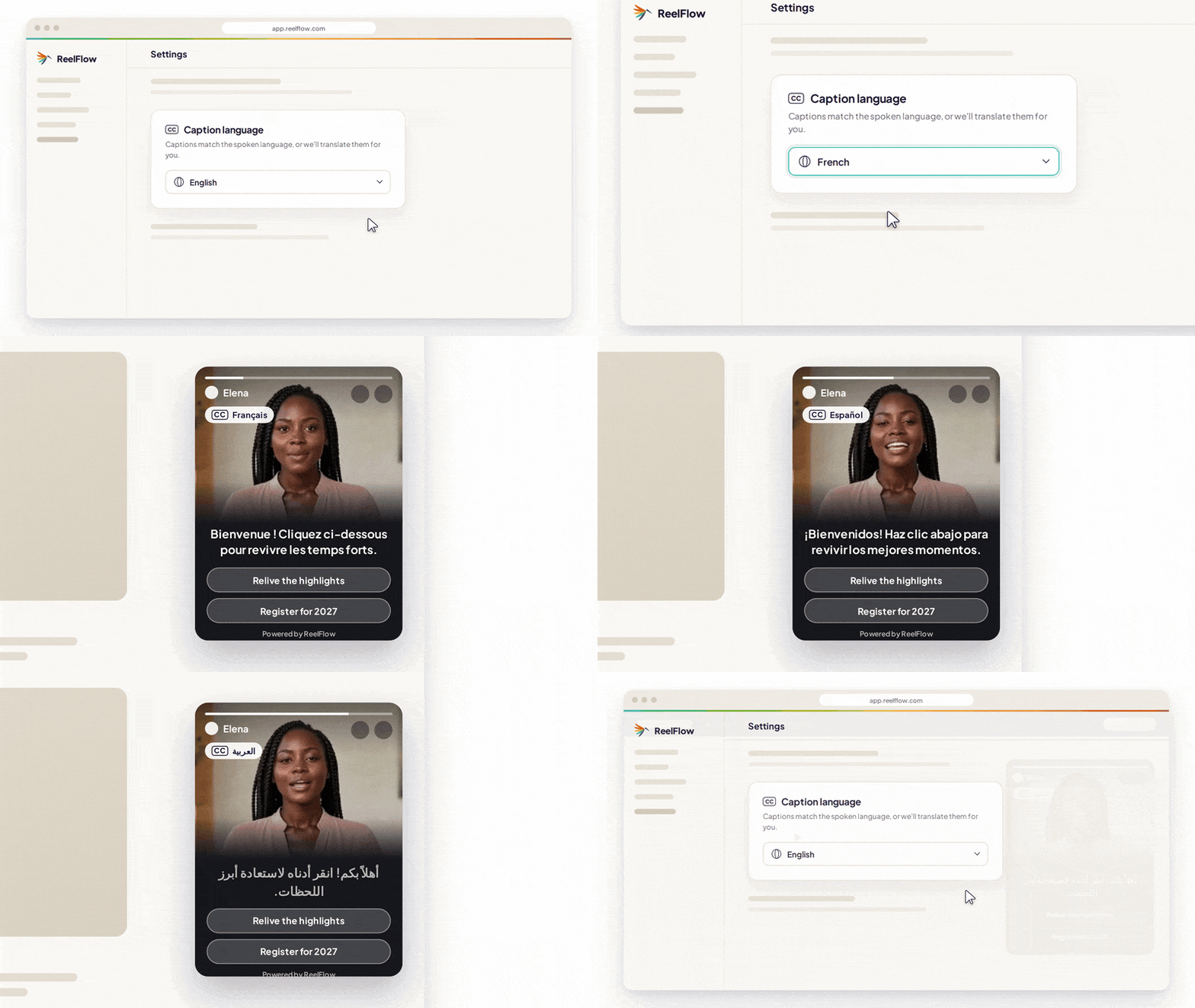
That's the part the ReelFlow player elevates to the next level, not just giving an index to content, but setup to funnel users to the most appropriate content or action wherever maybe on the site; a navigational richness usually missing. By providing video context and interactive buttons, the visitor isn't restricted to one page's worth of scroll positions; a click can drop them down to contact you, or straight into a pricing page or a case study three levels deep in the site, the same way a person would point somewhere if they were standing next to you. The sidebar content only gestures to everything below it, whereas player experience can gesture to anywhere in the website.

It doesn't try to replace the required top navigation bar for the page either. That bar is still important, still conventional, still has to be there. The ReelFlow player complements that deep, structured navigation with its more useful guiding purpose: a navigation that is adjustable, is not there just for convention, and helps guide the visitor through the exact story you want them to experience right now. When the campaign changes, and the goals change, the player is flexible enough to adjust to that change. When the audience needs splitting to different locations, it guides them to the most relevant messages.
It's not an exhaustive list the way a generated table of contents is. Most of these sidebars just mirror whatever H2s are already on the page. Every section gets a line, whether or not it matters. ReelFlow works the other way. Someone picks the two or three places on the site that actually matter for a given visitor and puts those in front of them, on purpose. It's editorial where the sidebar is just a reflection of the page order.
Perhaps most critically, there's a real person there giving the visitor the direction. Faces are measurably better at earning attention: photos with a human face are 38% more likely to get liked and 32% more likely to get commented on than photos without one. We’re hardwired to recognise and respond-to the human face at the lizard-brain level.
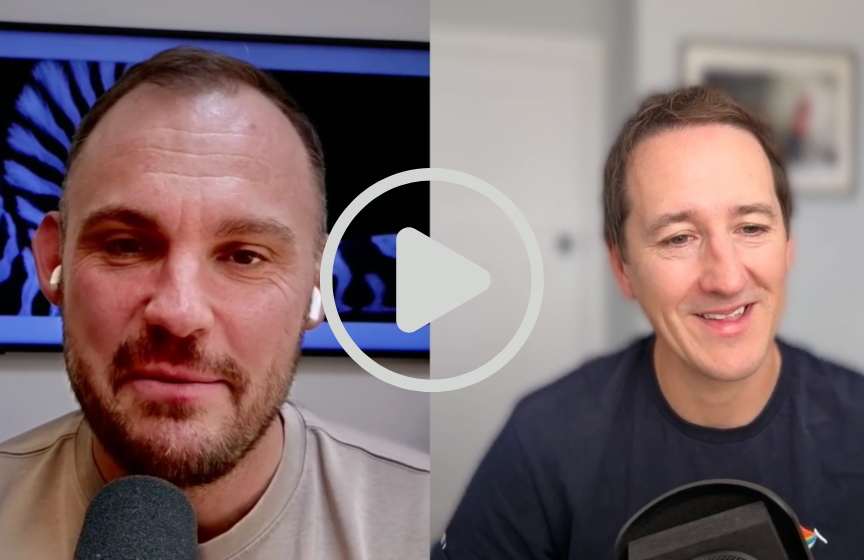
A table of contents is a strip of text links; the ReelFlow player is a person talking directly to you on camera, immediately building rapport and credibility in a way only a real human can. Nearly 78% of consumers say they trust videos featuring real people, a trust no list of anchor links has ever earned. That's a significant gap on so many websites which are often devoid of the people who make them, and with ReelFlow you benefit from having every visitor walked to the door by a member of your team, accompanied to the exact spot you need them to take action.